Updated · 5 min read
How to Organize a Tiny Studio Apartment: Smart Strategies That Actually Work

This post contains affiliate links. As an Amazon Associate I earn from qualifying purchases.
Living in a tiny studio apartment doesn't mean sacrificing comfort or style. With the right organizational approach, even a 300-square-foot space can feel spacious, functional, and surprisingly livable. The secret isn't about cramming everything in—it's about making intentional choices that maximize every inch you have.
Whether you're downsizing, moving to a new city, or simply working with limited square footage, learning how to organize a tiny studio apartment transforms your space from chaotic to calm. Here's exactly how to do it.
Think Vertically: Your Walls Are Prime Real Estate
Floor space is limited, but your walls offer untapped storage potential. Install floating shelves above your bed, desk, and furniture to store books, plants, and daily essentials without consuming precious square footage.
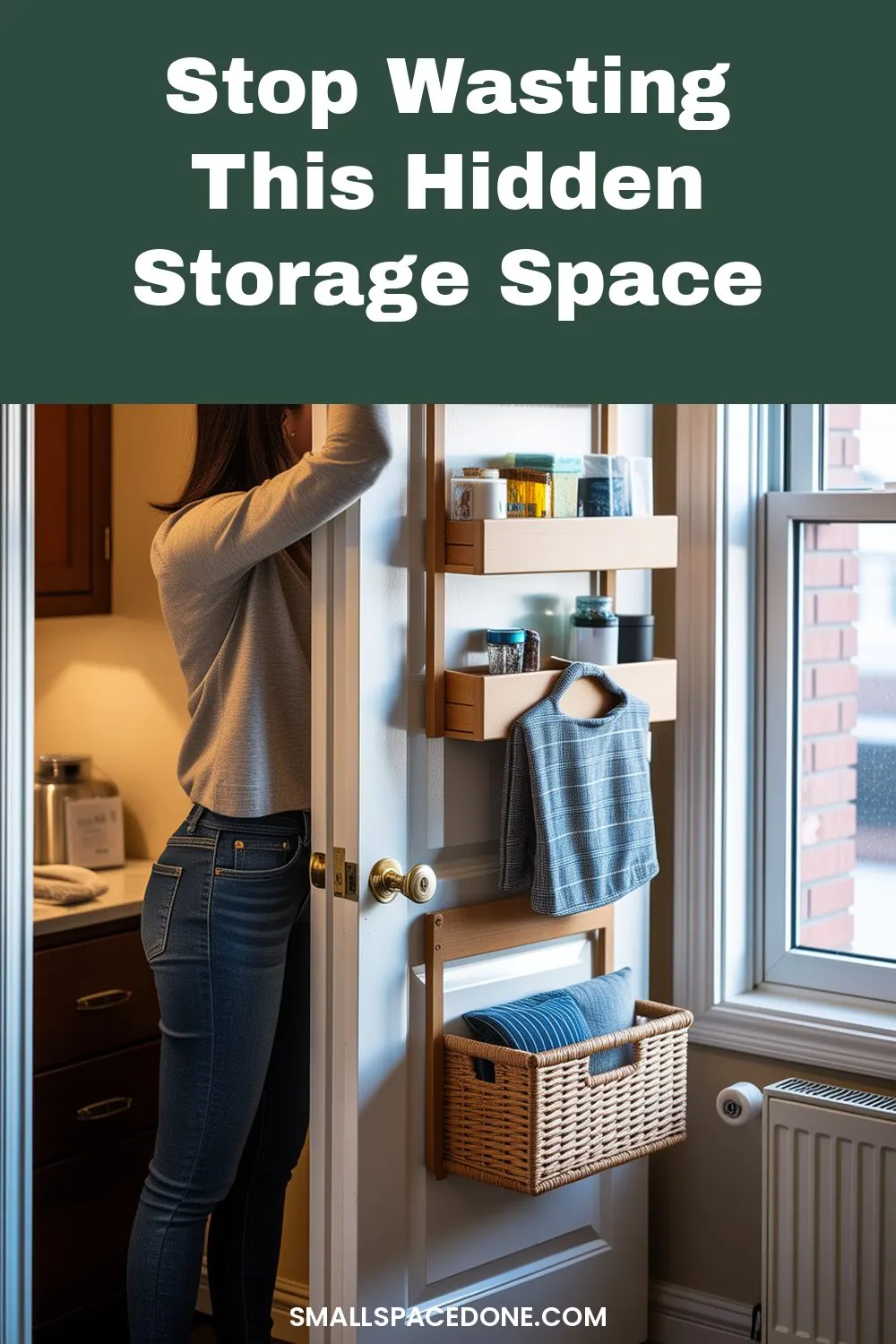
Wall-mounted pegboards behind doors or near your kitchenette hold kitchen utensils, office supplies, and accessories. Over-the-door hooks require zero permanent installation—perfect for renters. Tall, narrow bookcases maximize vertical height while occupying minimal floor space.
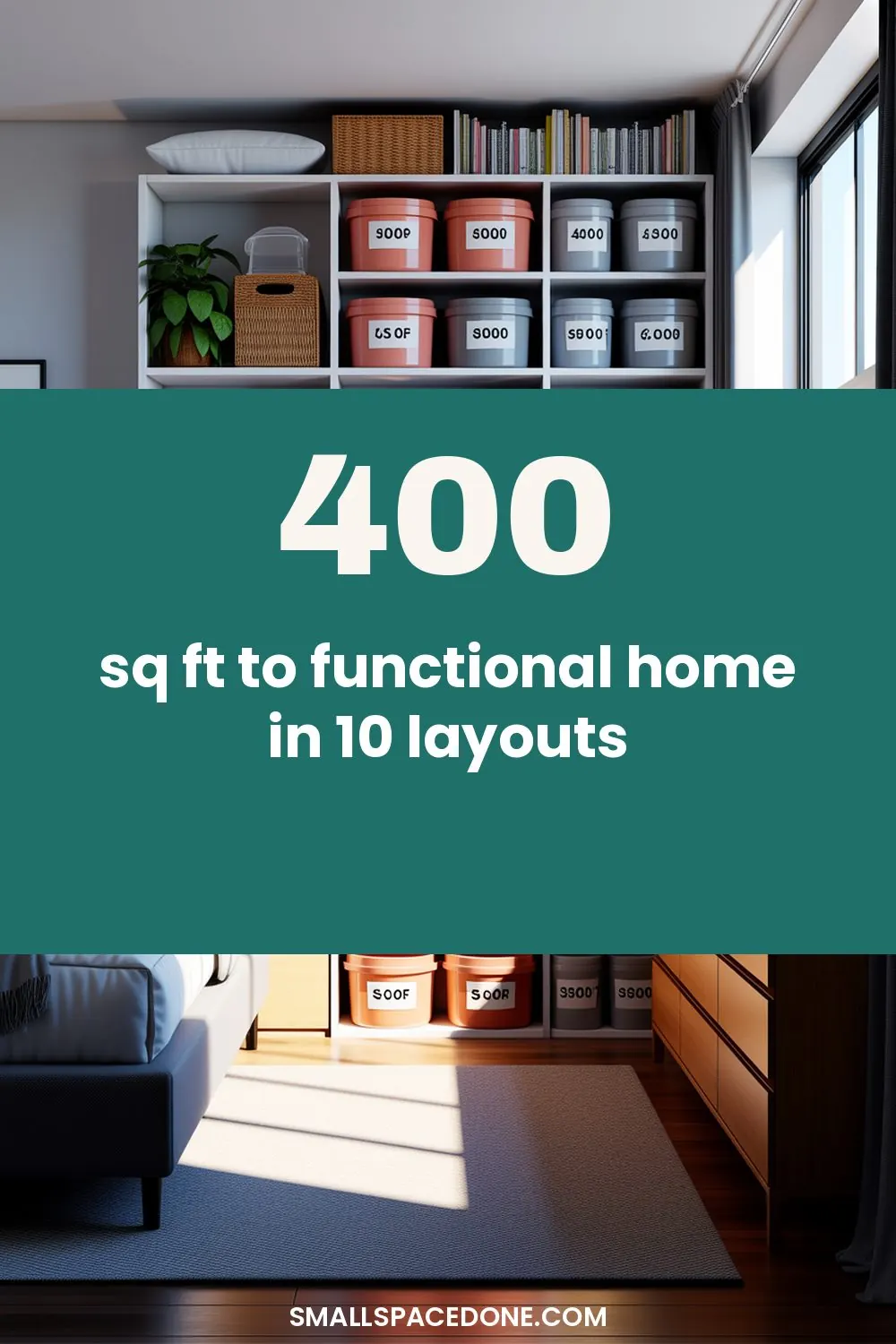
Stack storage boxes storage containers on Amazon above kitchen cabinets and closets. Hanging organizers on the inside of closet doors keep clutter hidden but accessible. When you build up instead of out, your studio instantly feels less cramped.
Choose Multi-Functional Furniture
Every furniture piece must earn its keep. Opt for items that serve multiple purposes and eliminate the need for extras taking up space.
Storage ottomans function as coffee tables, seating, and hidden storage. Beds with built-in drawers store seasonal clothing and bedding without requiring a separate dresser. Nesting tables slide together when not in use but expand for entertaining. Desks that double as dining tables eliminate the need for dedicated zones.
Wall-mounted drop-down desks fold away to create instant floor space. If your ceilings allow it, loft beds or Murphy beds revolutionize studios by separating sleeping areas while leaving space open below. Even a simple platform bed with under-bed storage provides substantial organizational capacity.

Create Defined Zones Without Walls
A studio is technically one room, but strategic organization creates distinct living areas that make the space feel intentional and organized.
Use bookcases, curtain rods, or room dividers to separate your bedroom from your living area. This psychological boundary helps you mentally shift between activities. Area rugs define zones—place them under your bed, in front of your couch, or beneath your desk for visual separation.
Lighting distinguishes different areas too. A pendant light over your workspace, a floor lamp near your reading nook, and bedside lamps create functional zones without physical walls.
Color coding reinforces boundaries. Keep sleeping areas calm with muted tones while using brighter colors in your kitchen or workspace. These visual cues make your brain transition smoothly between activities.
Declutter Ruthlessly Before Organizing
Before implementing any organizational system, assess what actually deserves space in your studio. Go through belongings and ask whether each item is useful, beautiful, or sentimental enough to justify its footprint.
Adopt a one-in-one-out rule: when something new enters, something old leaves. This prevents gradual accumulation that makes small spaces chaotic.
Be selective about decorative items. Choose a few meaningful pieces rather than scattering numerous knick-knacks. Store seasonal items under your bed or in a small storage unit—they shouldn't occupy prime real estate year-round.

Optimize Your Closet Space
Your closet is likely your largest storage area, so maximize it strategically. Use slim, velvet hangers closet organizers on Amazon instead of bulky wooden ones to gain hanging space.
Hang items by category and color for a streamlined capsule wardrobe feel. Fold lightweight items like t-shirts and leggings into clear bins on shelves so everything's visible. Over-the-door shoe organizers hold more pairs than traditional racks while using otherwise wasted space.
Shelf dividers prevent stacked clothing from toppling when you remove one item. Hanging closet organizers with compartments store socks, underwear, and accessories at eye level, eliminating the need for dressers.
Consider maintaining a capsule wardrobe with versatile, mix-and-match pieces rather than an overflowing closet of rarely-worn items.
Maximize Kitchen Organization
Studio kitchens run small, but smart organization creates surprising functionality. Install shelf risers in cabinets to double your storage levels. Magnetic spice containers kitchen organizers on Amazon attach to your refrigerator or magnetic strips inside cabinets, eliminating bulky spice racks.
Drawer dividers organize utensils and cooking tools so everything has a designated home. Vertical dividers for baking sheets, cutting boards, and large plates maximize cabinet capacity. Hooks inside cabinet doors store kitchen towels and reusable bags.
Keep countertops clear—store appliances in cabinets or under-sink spaces. The less visible clutter, the more spacious your kitchen feels.
Wrangle Miscellaneous Items
Paperwork, cords, and random items create chaos fast. Designate one small drawer as your organized "junk drawer" with compartments. Use cord organizers to tame charging cables.
Create a slim filing system—a filing box that slides under your bed or into a closet works perfectly. Better yet, scan important documents digitally to reduce paper clutter.
Implement a one-paper rule: immediately recycle, file, or digitize incoming mail rather than creating accumulating piles.
How do I make a studio apartment feel bigger while organizing it?
Focus on vertical storage, keep surfaces clear, use mirrors strategically, and maintain a consistent color palette. Eliminating visual clutter and utilizing wall space makes studios feel more spacious. Vertical organization draws the eye upward, making rooms feel taller and more intentional.
What's the best furniture layout for a studio apartment?
Arrange furniture to define zones and maximize flow. Keep pathways clear and avoid blocking windows. Position your bed against a wall, angle seating to create conversation areas, and use furniture as natural dividers between living and sleeping spaces. Experiment to find what makes your specific space most functional.
Should I use under-bed storage in a studio apartment?
Absolutely. Under-bed storage is valuable real estate. Use flat storage containers storage containers on Amazon for off-season clothing, extra bedding, or shoes you don't access frequently. Label containers so you know what's inside without pulling everything out.
How can I organize a studio without a closet?
Use a freestanding wardrobe, clothing rack, or armoire as primary storage. Install floating shelves or wall-mounted cabinets for other belongings. Under-bed storage and ottomans with hidden compartments help maximize available space. Keep only items you actively use.
Your Organized Studio Starts Now
Learning how to organize a tiny studio apartment requires intentional choices and strategic thinking, but the payoff is a functional, peaceful home that feels much larger than its square footage. Focus on vertical storage, invest in multi-functional furniture, create defined zones, and maintain a decluttered mindset. Start with one area, build momentum, and soon your entire apartment will reflect a thoughtful approach that makes daily life easier and genuinely enjoyable.