Updated · 6 min read
Small Kitchen Trash and Recycling Solutions That Actually Fit Your Rental Space

This post contains affiliate links. As an Amazon Associate I earn from qualifying purchases.
Finding space for trash and recycling in a closet-sized rental kitchen feels like solving a Tetris puzzle daily. Most rental kitchens weren't designed with the eco-conscious renter in mind, and cramming both a trash can and a recycling bin into tight corners seems impossible. The good news? Smart small kitchen trash and recycling solutions exist that maximize your limited square footage without requiring a landlord's permission to renovate.
Why Traditional Trash Cans Fail in Rental Kitchens
Standard kitchen trash cans devour floor space you don't have, and adding a separate recycling bin? Impossible. Most renters resort to stuffing bags under the sink or leaving bins in hallways, creating clutter that makes your rental feel chaotic. The real problem: conventional solutions assume you have space.
A standard 13-gallon trash can claims 1.5 square feet of real estate—just the beginning if you're a conscientious recycler. You need a system that works *with* your space instead of against it, getting creative about placement, sizing, and style.
Slim Double-Bin Systems for Tight Corners
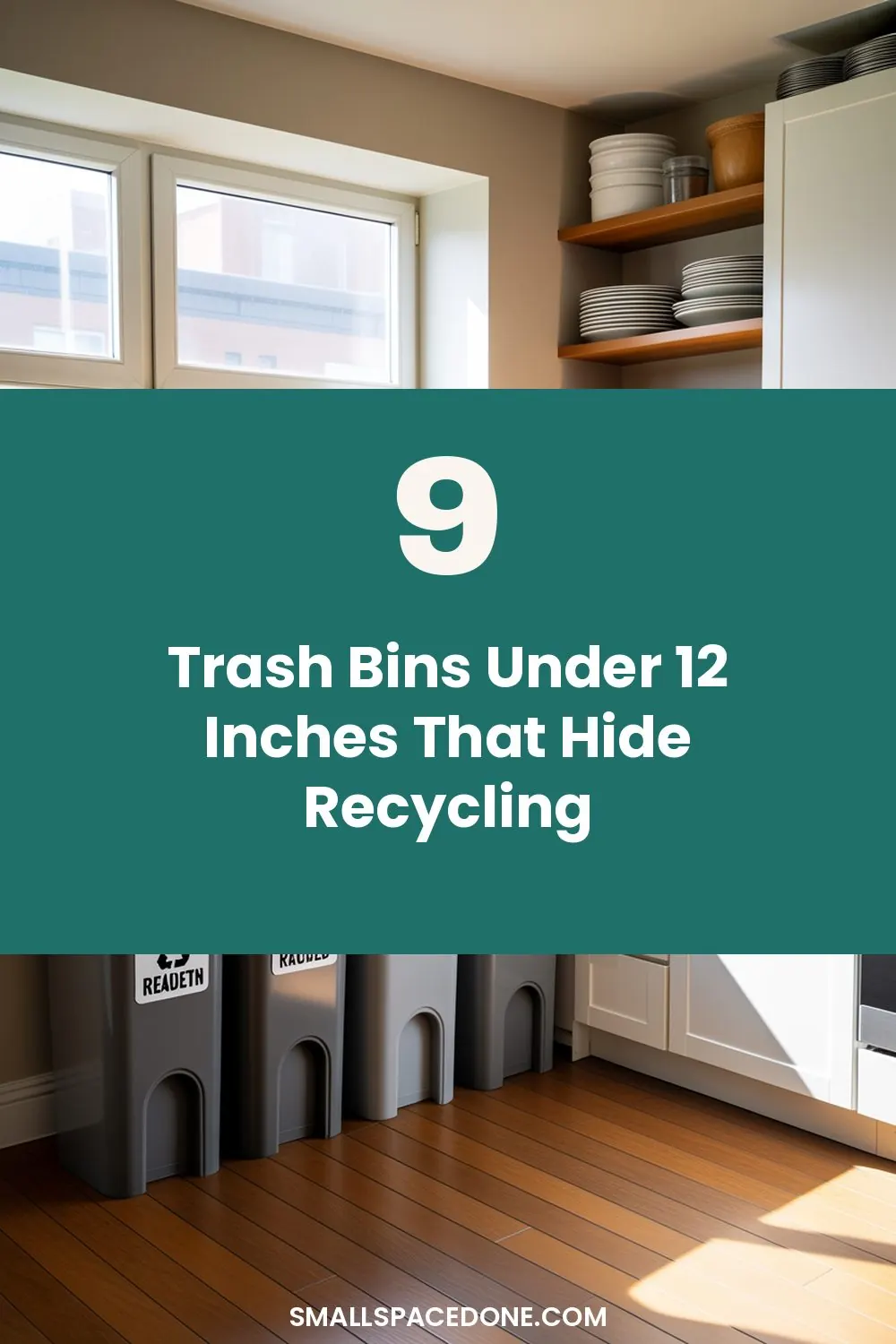
Your best bet: a double-bin trash and recycling system specifically designed for compact spaces. Look for models that stack vertically or feature slim profiles that fit into that awkward corner beside your refrigerator. These systems have a combined footprint smaller than a single traditional trash can.
Many slim double-bin options include a single pedal opening whichever bin you need—trash or recycling. This hands-free feature keeps your space cleaner and more hygienic. Brands like Rev-A-Shelf and simplehuman make compact models measuring around 15 inches wide, slotting perfectly beside appliances or into corner gaps most people waste.
Check the depth—you want something shallow enough that it doesn't jut into your main kitchen pathway. Many slim options measure 20 inches deep or less, making them genuinely functional in tight quarters.
Over-the-Door and Wall-Mounted Options
If floor space is non-negotiable, mount your recycling system above your trash can or move it entirely off the floor. over the door organizers on Amazon hold smaller recycling bags or containers on the inside of your pantry door, freeing up precious kitchen real estate while keeping recyclables visible so you don't forget to empty them.
Wall-mounted options work surprisingly well for recycling specifically. Install a slim pull-out rack or bag holder on the wall beside your refrigerator or between cabinets, creating a dedicated recycling zone consuming zero floor space. This approach shines if you live somewhere with strong recycling programs—you're just storing materials temporarily before they leave.
For renters, adhesive-based solutions and damage-free hanging systems mean you can set up wall storage without landlord approval. Just confirm in writing that these temporary fixtures are acceptable before installation.
Under-Sink Organization for Hidden Storage
Under-sink cabinets often go underutilized in small apartments, but this is prime real estate for trash and recycling management. Rather than keeping a bin against your kitchen wall, slide a under sink storage on Amazon container or slim bin under the sink where pipes allow, maintaining your open kitchen appearance.
This works best if you install a pull-out drawer system or sliding rack inside your cabinet, making access quick and intuitive. You can fit surprising amounts of recycling material—flattened boxes, bags, containers—underneath without ever seeing them. Just remember moisture and potential water damage mean you should use bins specifically designed for under-sink storage.
The trade-off: this solution works best if you don't store cleaning supplies under the sink. Moving those items to a closet or higher shelf gives you the space you need.
Vertical Stacking and Corner Utilization
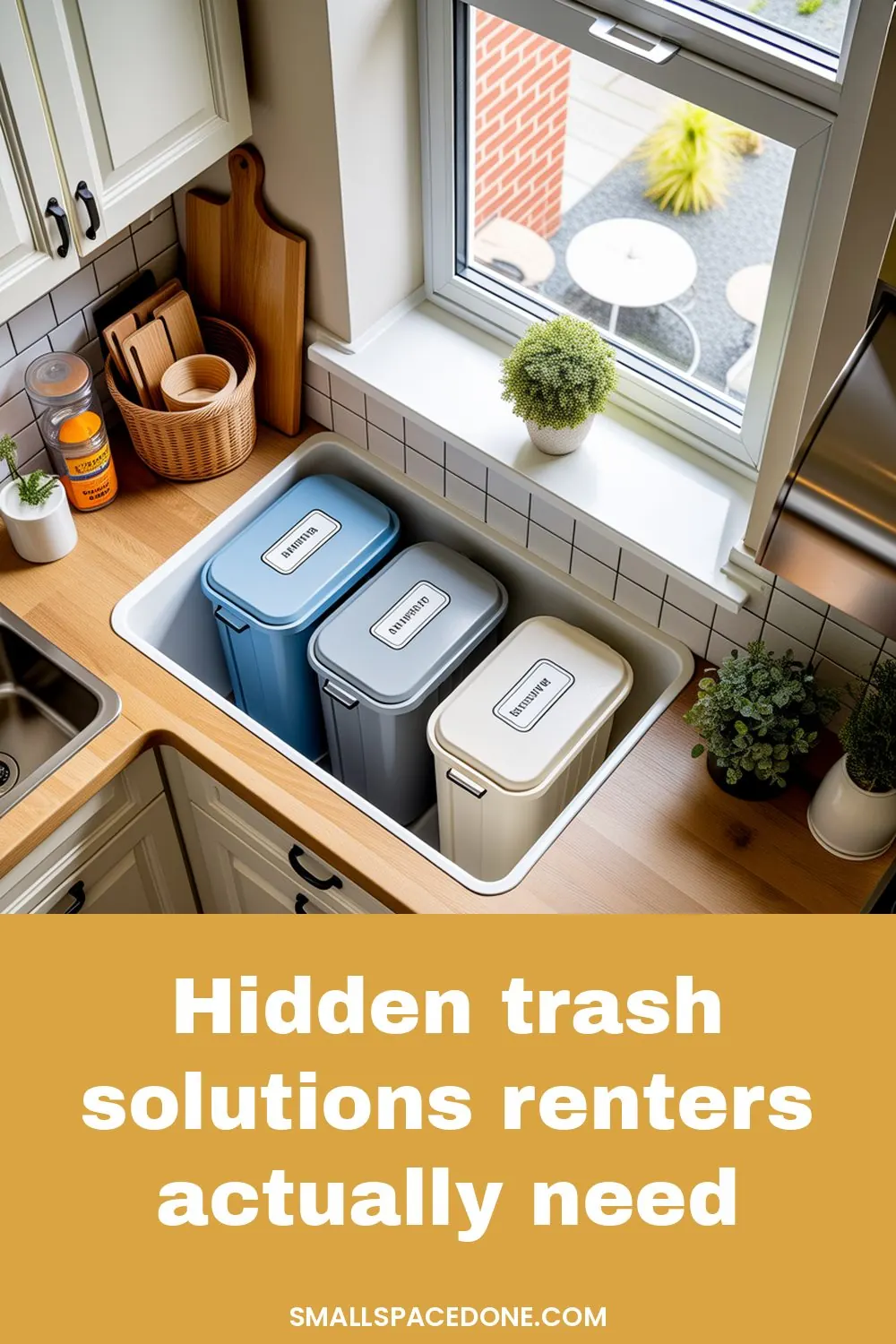
Think vertically when dealing with horizontal space constraints. Narrow, tall trash cans and recycling bins stack better in corners than wide, short ones, and corner configurations make them feel less intrusive in your overall kitchen design. Some systems feature bins that slide partially behind each other, creating a unified profile that looks intentional.
Use the space above your bins for additional storage with floating wall shelves on Amazon positioned just out of daily traffic zones. This could hold reusable shopping bags, bin liners, or decorative baskets containing smaller items. The visual strategy matters—a neat vertical setup with matching bins and thoughtful shelving looks like intentional design, not a space-saving compromise.
Choosing Bins That Match Your Kitchen Style
Just because you're managing waste doesn't mean your bins must be ugly. Modern trash and recycling systems come in stainless steel, matte black, natural wood, or color-coordinated finishes that actually complement your kitchen design. When your trash setup looks intentional and attractive, your entire kitchen feels more organized.
Consider labeling your bins clearly with removable vinyl stickers—this prevents confusion about what goes where and makes it easier for roommates or guests to participate in your recycling system. Matching lids, handles, and finishes create visual cohesion even in cramped spaces.
Lifestyle Adjustments to Reduce Trash Volume
Sometimes the best solution isn't a bigger bin—it's generating less trash. Renters who consciously reduce waste often find their small kitchen trash and recycling solutions become naturally smaller and more manageable. Switch to reusable shopping bags, buy in bulk to reduce packaging, and compost food scraps if your building or local waste program supports it.
Composting deserves special attention in small apartments. A compact countertop compost bin stores your scraps until collection day, eliminating the smell and mess of decomposing food in your regular trash. These bins are typically 8 inches across and hold several days' worth of vegetable peels, eggshells, and coffee grounds—keeping both your trash and recycling bins cleaner and fresher longer.
FAQ
**Q: Can I use a single combined bin for trash and recycling?**
A: Not practically, unless you're extremely minimalist. Mixed waste defeats recycling's purpose because contamination makes entire batches non-recyclable. Keep them separate with a double-bin system—it's the most functional approach.
**Q: What's the best size trash can for a one-bedroom apartment?**
A: A 9-13 gallon trash can works for most single renters, while couples might want 13-16 gallons. Test your needs by tracking how often you empty your current bin; you should empty weekly. Too large wastes space; too small means constant emptying.
**Q: How do I handle recycling pickup if my bins don't fit in my kitchen?**
A: Keep your daily-use bins small and slim in the kitchen, and maintain a larger collection bin in a closet, garage, or hallway specifically for pickup day. Flattening cardboard and breaking down items maximizes storage volume before collection.
**Q: Is composting worth it in a small apartment?**
A: Yes, if your area has composting pickup or drop-off. A small countertop compost bin (roughly $20-40) reduces food waste volume by 20-30%, making your regular trash less smelly and extending time between emptying. Check your local waste program first.
Conclusion
Small kitchen trash and recycling solutions aren't about compromise—they're about working smarter with what you have. Whether you choose a compact double-bin system, utilize under-sink space, or go vertical with wall-mounted options, the right setup keeps your rental kitchen functional and your conscience clear. Pick the solution that matches your daily habits and your actual space. Your future self will appreciate every single square foot you free up.