July 22, 2026 · 6 min read
Small Nursery Organization Ideas for Apartments
This post contains affiliate links. As an Amazon Associate I earn from qualifying purchases.
Creating a functional nursery in a tiny apartment feels overwhelming, but you can transform even the smallest corner into an organized haven for your baby. With strategic planning and the right solutions, you'll maximize every inch while keeping essentials within arm's reach.
Assess Your Space and Prioritize True Essentials
Before buying anything, identify where your nursery will live. Whether it's a dedicated bedroom, corner of your master room, or living area nook, measure dimensions and photograph from multiple angles. This reality check prevents impulse purchases that won't fit.
List absolute essentials: a safe sleep surface (crib, bassinet, or portable play yard), diapers and wipes, several clothing changes, blankets, and a comfortable feeding spot. Everything else is secondary. Skip the changing table—you can change diapers on your bed, floor with a portable pad, or dresser topped with a changing pad. This mindset shift alone opens up options.
Leverage Vertical Storage to Reclaim Floor Space
When square footage is precious, build upward. Install floating wall shelves on Amazon at varying heights to create zones—folded clothes on one shelf, supplies on another, books and toys on a third. Floating shelves don't consume floor space and look intentional rather than cluttered.
Wall hooks are apartment lifesavers. Hang a closet organizers on Amazon unit (the hanging compartment kind) on bare walls for blankets, burp cloths, and swaddles. Pegboards with adhesive backing eliminate wall screws while creating customizable storage walls with hooks, baskets, and shelves tailored to your needs.
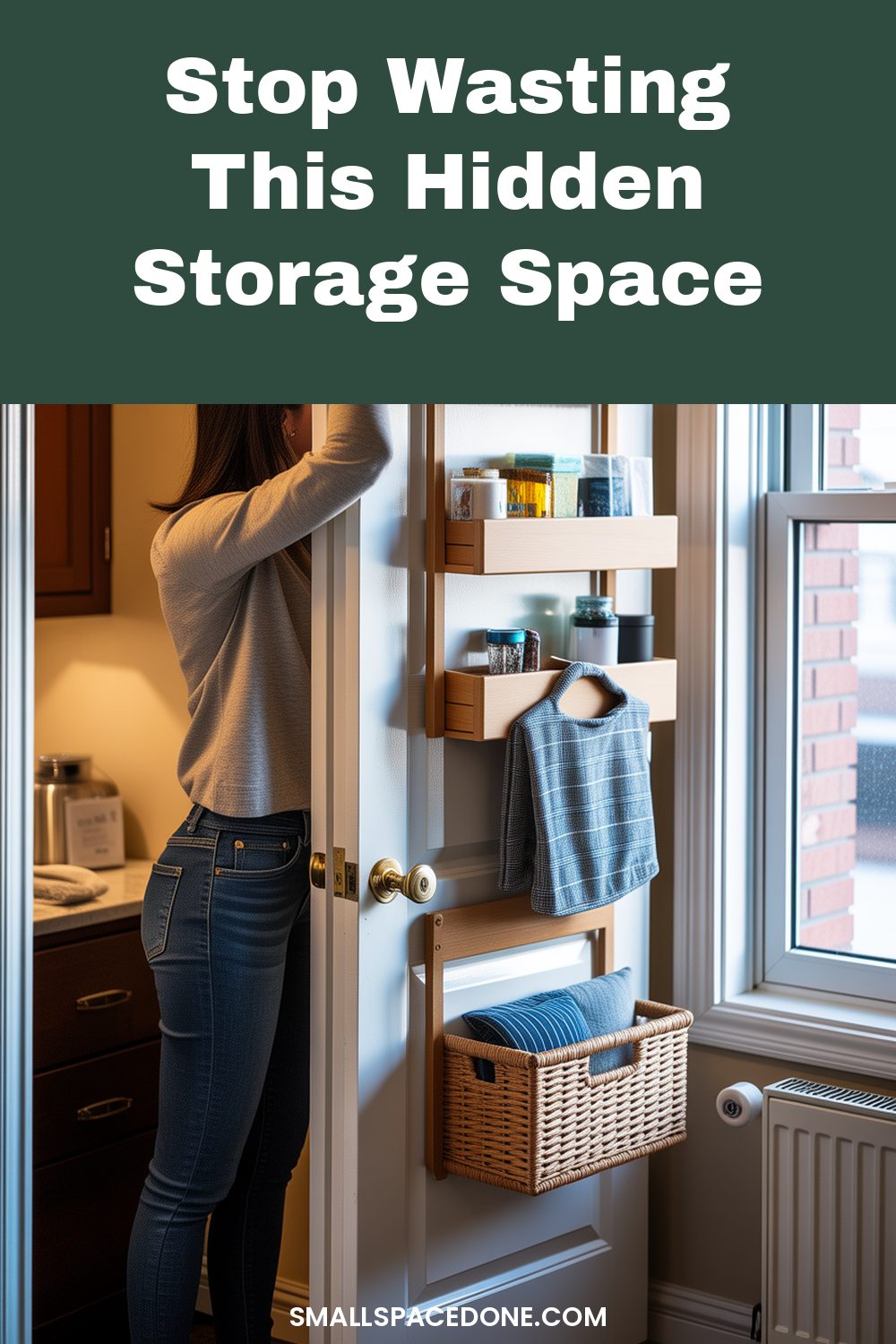
Above-door space is wasted real estate. An over the door organizers on Amazon unit hung on closet or nursery doors holds socks, mittens, hair accessories, and grooming supplies without consuming any floor or wall area—ideal for minimal square footage.
Consolidate Clothing Storage Strategically
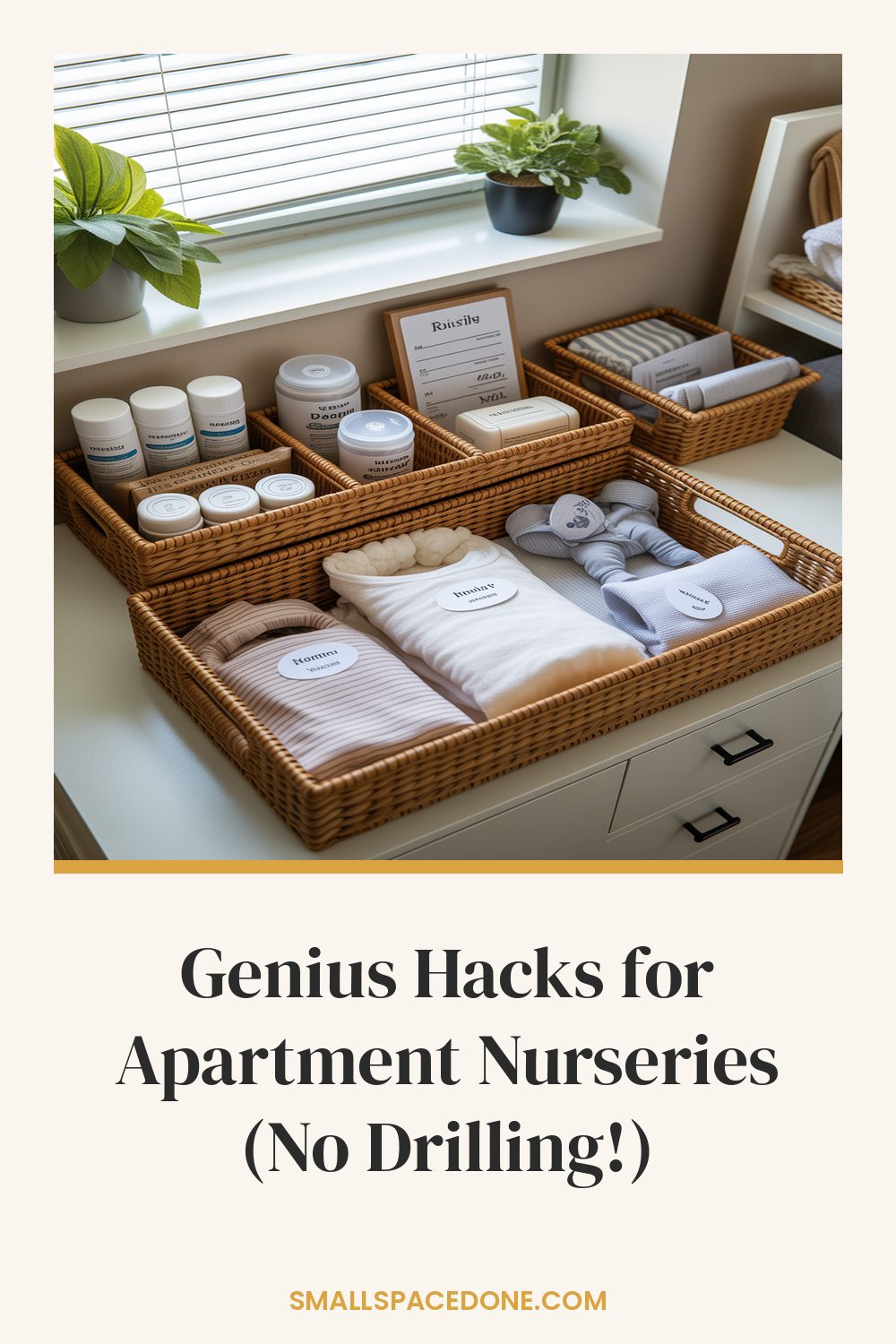
Baby clothes occupy surprisingly little actual space but often sprawl across multiple locations. Choose one dedicated area—a small dresser, closet rod with a clothing racks on Amazon system, or wall shelf combination. Use vertical folding methods (like KonMari) so you see all items at once in a single stack rather than spreading across drawers.
Consider your climate and lifestyle to minimize inventory. In small apartments, storing twenty onesies doesn't make sense when babies grow quickly and you can launder frequently. Keep one to two weeks' worth matching your actual life—if you venture out daily, prioritize outfits over sleepers.
drawer organizers on Amazon prevent baby clothes from becoming chaotic piles. Dividers separate socks, mittens, headbands, and bodysuits into distinct sections. Even small drawers become functional when properly divided, using every centimeter efficiently.
Choose Multi-Functional Furniture That Earns Its Footprint
Your furniture must serve multiple purposes. A dresser doubling as a changing station provides storage and function. A small bookshelf can hold folded clothes below and books above. storage furniture on Amazon designed for nurseries often combines drawers, shelves, and hanging space in one compact unit.
A small ottoman or cushioned bench serves as your feeding spot while providing hidden storage inside—particularly valuable in apartments where seating is limited. Seek pieces with built-in storage to maximize functionality without claiming additional floor space.
bed risers on Amazon transform your bed or crib setup by raising it several inches, creating valuable underneath storage where you can slide flat under-bed storage on Amazon containers holding seasonal clothes, extra blankets, or backup supplies. Renters love this zero-damage solution.
Organize Supplies with Strategic Containers
Open shelving attracts dust and visual chaos. Use storage containers on Amazon with lids to protect diapers, wipes, and clothes while keeping everything visible. Clear containers work best because you check inventory levels without opening them. Label each container so babysitters, partners, and family find items independently.
For smaller items like hair clips, grooming supplies, and first-aid necessities, use storage bins on Amazon in varied sizes to create a tiered system. Small bins for everyday diaper essentials, medium bins for backup supplies, and larger bins for bulky items like blankets keep everything accessible and organized.
Lazy Susans are underrated apartment organization champions. Place one on a shelf or dresser top for bottles, nipples, pacifiers, and feeding supplies. You spin to access what you need without moving anything else, and they fit awkward spaces easily.
Create a Compact Changing Station
You don't need a dedicated changing table. A padded storage baskets on Amazon or foldable changing pad works perfectly. Store diaper changing essentials in a portable caddy that you grab and take wherever you're changing your baby—your bed, couch, or floor.
Use drawer dividers within your designated changing area to keep wipes, diapers, and creams separate and easy to locate, especially during exhausted late-night changes. A rolling cart with shallow drawers is perfect for apartments because you tuck it into corners when not in use or roll it to your bedroom at night.
Keep only actively-used items in your changing station. Backup supplies can be stored elsewhere, but your actively-used diapers, wipes, diaper cream, and disposable liners should be within arm's reach. This reduces clutter while ensuring you're not digging for essentials.
Make the Space Feel Calm and Intentional
Organization creates peace, not just function. When your small nursery is organized, it feels spacious rather than cramped. Choose a simple color palette (whites, soft grays, and one accent color) and maintain it across containers, shelves, and decor for visual cohesion.
Plants actually help small spaces feel bigger while improving air quality. Low-maintenance indoor plants on Amazon like pothos or snake plants fit on high shelves away from baby's reach. They add visual interest and life without consuming valuable floor or drawer space.
Keep surfaces mostly clear by storing items in closed containers. This visual simplicity makes your small nursery feel spacious and calm—exactly what you need when you're up at 3 AM with a fussy baby. Your sleep-deprived brain craves organized, peaceful spaces.
FAQ: Small Nursery Organization Questions
**Q: How do I organize a nursery in a shared bedroom with my baby?** A: Use rolling carts, hanging organizers, and under-bed storage to contain baby items to one specific zone. Choose floating wall shelves on Amazon in a corner rather than freestanding dressers, and keep zones visually separated with baskets or dividers so the space doesn't feel chaotic.
**Q: What's the minimum clothing I need for a newborn in an apartment?** A: Seven to ten bodysuits, five to seven outfits, five to seven sleepers, and extras of socks and mittens suffice if you launder weekly. Babies grow quickly, so excess creates storage problems without practical benefit. Start minimal and add only what you actually need.
**Q: Can I organize a nursery without installing anything permanent?** A: Absolutely. Use adhesive shelves, over-the-door organizers, freestanding clothing racks, storage furniture, and under-bed containers. These renter-friendly solutions require zero landlord permission or wall damage.
**Q: How do I keep my small nursery from feeling cluttered?** A: Store items in closed containers, use vertical storage instead of spreading things across surfaces, limit decor to intentional pieces, and regularly purge outgrown items. Closed storage is your secret weapon for making small spaces feel calm and organized.
Conclusion
Organizing a small nursery in an apartment is absolutely achievable with intentional planning and smart storage solutions. Focus on vertical space, multi-functional furniture, and closed storage containers to maximize limited square footage while maintaining the calm, functional environment your baby needs. Start with essentials, measure your space carefully, and add solutions gradually to avoid overwhelm. Your apartment's size doesn't limit your ability to create a beautiful, organized nursery—it just requires creativity and planning.