April 22, 2026 · 5 min read
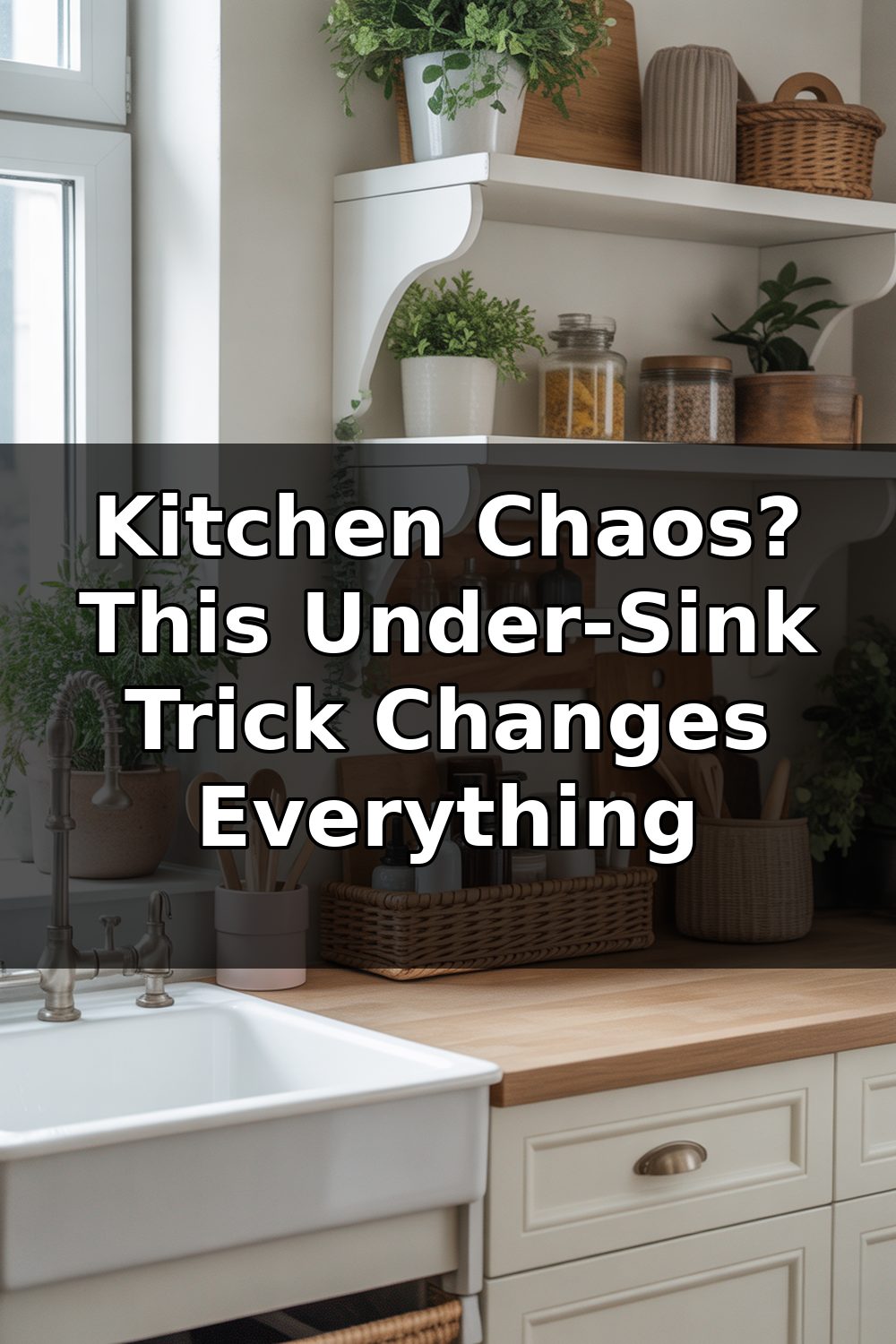
Under Sink Organization Ideas Kitchen: Transform Your Chaos Into Order
This post contains affiliate links. As an Amazon Associate I earn from qualifying purchases.
Staring into your under-sink cabinet shouldn't feel like opening a portal to chaos—but it usually does. Pipes devour half the space, cleaning supplies multiply like rabbits, and three partially-empty bottles of drain cleaner hide in the depths.
The good news? You can transform this awkward space into an organized, functional zone without permanent changes to your rental. These **under sink organization ideas kitchen** solutions maximize every inch and help you actually find what you need.
Start With Complete Decluttering
Pull everything out from under your sink and spread it across your counter. Yes, everything.
Check expiration dates on cleaning supplies. Toss anything dried out, separated, or past its prime. That half-empty bottle of furniture polish you haven't used in three years? Gone. Mystery cleaner in an unmarked container? Out.
Create three piles: products you use regularly, items for occasional use, and things that belong elsewhere. Frequently-used supplies should be easily accessible, while specialty cleaners can live on higher shelves or toward the back. This fifteen-minute assessment saves you from buying organizers you don't actually need.
Double Your Space With Strategic Shelving
Adding a shelf or riser is the most impactful change you can make. Since you're renting, choose non-permanent options.
A slim, freestanding shelf designed for under-sink use fits around pipes without installation. These create a second level for storing products in previously wasted vertical space. Look for shelves between 12-18 inches wide—measure first.
Alternatively, try over-the-cabinet door organizers or tension rod systems that install without drilling shelving units on Amazon. These simple solutions genuinely transform unusable storage into accessible space.
Contain Everything With Bins and Dividers
Without containers, everything rolls around loose, creating cleaning-supply avalanches every time you reach for something.
Use slim, stackable plastic bins to group similar items: one for sponges and brushes, one for spray bottles, one for polishes. Clear bins let you see exactly what's inside without opening them—crucial when you're peering into a dark cabinet.
For small items like rubber gloves or utility bags, drawer dividers keep tiny things from disappearing into back corners where pipes create dead zones. You're creating a filing system for cleaning supplies that actually works.
Prevent Moisture Damage Before It Starts
Under-sink cabinets are wet environments. Pipes sweat, leaks happen, and humidity accumulates. Without protection, organizers warp, supplies develop mold, and everything smells weird.
Install waterproof shelf liners before adding organizers shelf liners on Amazon. These rolls stick directly onto shelves, protecting both cabinet wood and organized supplies from moisture damage. They're cheap, removable, and essential.
Check pipes and cabinet floors regularly for leaks. A small leak destroys your organizational system and ruins supplies in weeks. If you notice standing water or soft spots, contact your landlord immediately. Until repairs happen, use waterproof bins rather than allowing supplies to sit on damp surfaces.
Utilize Cabinet Door Real Estate
Your under-sink cabinet door is prime real estate most people completely ignore.
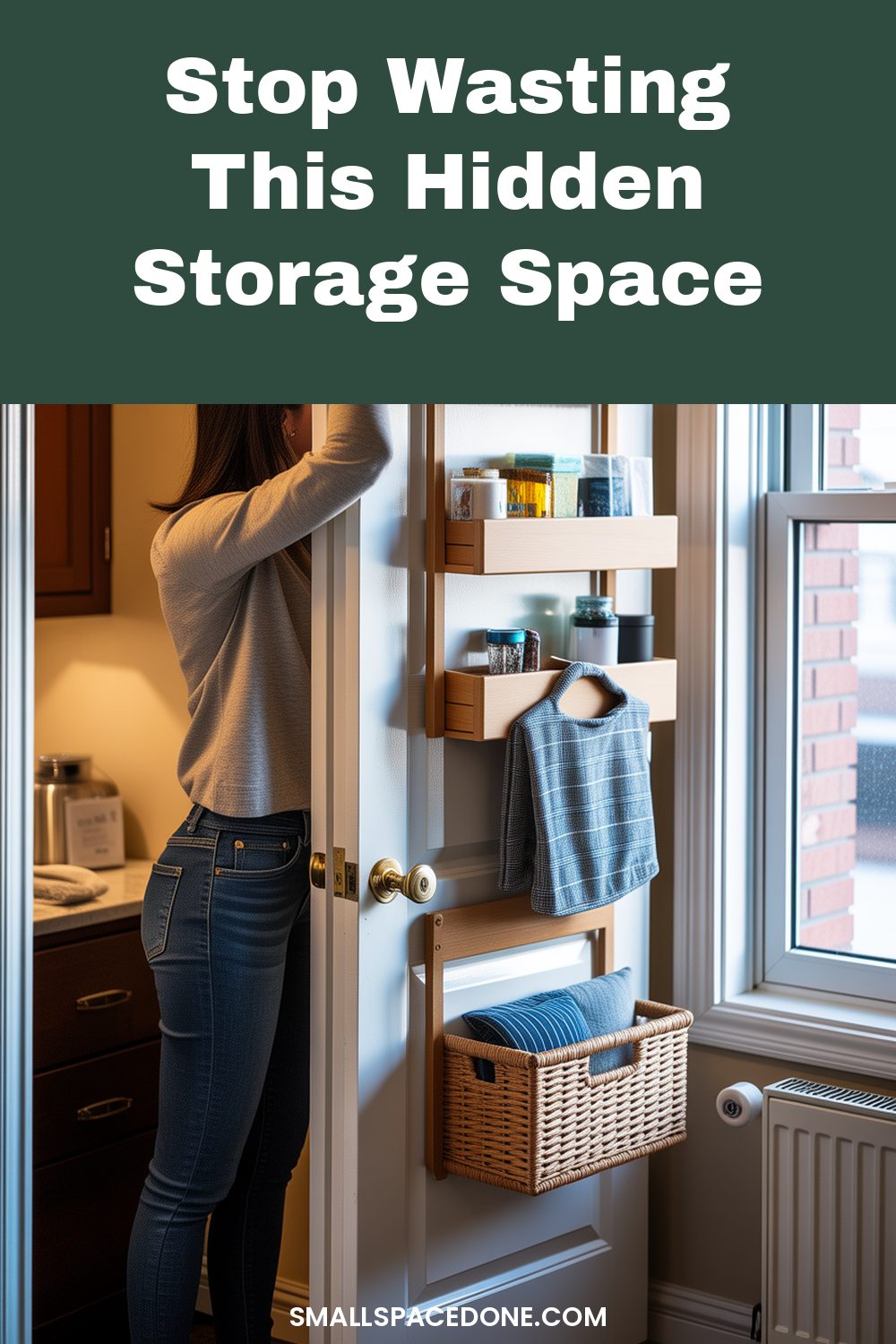
Over-the-door organizers create compartments perfect for storing microfiber cloths, rubber gloves, extra sponges, and small bottles over-the-door organizers on Amazon. Since the door is more accessible than the deep cabinet back, this placement works ideally for frequently-used products.
Measure cabinet depth and test before committing—ensure your organizer won't hit pipes when opening and closing. Check that filled organizers won't stress hinges. If things get heavy, redistribute weight to shelves.
Create Functional Product Zones
Arrange supplies by how you actually use them, not randomly based on what fits where.
Create a "daily cleaning" zone near the front with sponges, dish soap, and frequently-grabbed items. Keep specialty products—oven cleaner, tile scrub—toward the back or on higher shelves since you use them less often. Store pipe-related supplies like drain cleaner in a separate, clearly-labeled bin that's not easily accessible to kids or pets.
Group drain and garbage disposal supplies together. When you need to tackle that 10 PM clog, you won't hunt through three different areas.
Maintain Your System Long-Term
Organization isn't one-and-done—it's a system you maintain.
Spend five minutes monthly doing quick resets. Check for expired products, wipe down waterproof liners, and ensure things haven't migrated back into chaos.
Create a simple rule: when you run out of something, replace it immediately. Don't let empty bottles accumulate—they consume space and create visual chaos. If you're not replacing something, remove it right away.
Common Questions Answered
**My garbage disposal takes up tons of space. What stays under the sink?**
Keep drain cleaner, disposal cleaning tabs, and specialty disposal products in a dedicated under-sink zone. General surface cleaners or floor products can live in a pantry or utility closet, freeing valuable under-sink real estate.
**Can I store food under the sink?**
No. Moisture, potential leaks, and temperature fluctuations make this poor for food storage. Stick to cleaning products and kitchen-adjacent items under the sink. Use your actual pantry for food.
**Exposed pipes dominate my cabinet. Now what?**
Invest in shelf risers specifically designed to accommodate pipes—many feature cutouts or adjustable shelving. If that doesn't help, move less-frequently-used items to different cabinets or closets. Not everything must live under your sink.
**How do roommates share under-sink space?**
Designate a specific shelf or bin for shared products, and separate areas for personal supplies. Label everything clearly to prevent confusion about ownership and what's communal. This eliminates "I thought you bought dish soap" arguments.
Start Your Transformation Now
Your under-sink cabinet doesn't have to be a disaster zone. With strategic shelving, clear containers, waterproof protection, and logical organization, you create functional, easy-to-navigate storage that works for your lifestyle.
Start small—clear everything out this weekend and wipe down the interior. Add one organizational element at a time: a shelf, bins, or door organizer. These small changes compound, turning that chaotic, hard-to-access space into something you're proud to open.